
Titanium is a strong, lightweight metal known for its resistance to corrosion, making it highly valuable in industries like aerospace, medical devices, and chemical processing. However, turning raw titanium ore into usable metal is a complex process. Let’s break down how titanium goes from the ground to the products we use.
1. Mining and Extracting the Ore
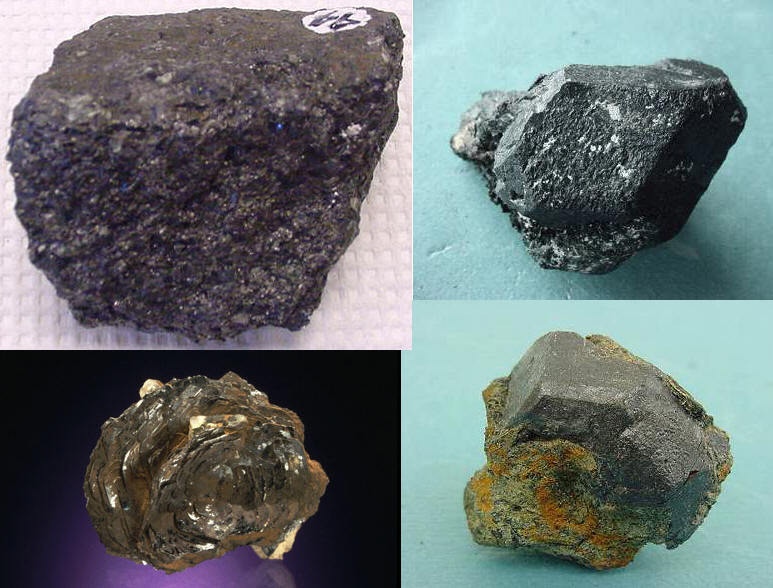
Titanium is found in minerals such as rutile and ilmenite. These minerals are mined, typically through surface mining or dredging (using large machines to extract the minerals from sand). After mining, the ore goes through processes like gravity separation and magnetic separation to isolate the titanium from other materials.
2. Refining Titanium: The Kroll Process
The most common method to refine titanium is the Kroll Process. It starts by converting the titanium found in the ore into a chemical called titanium tetrachloride (TiCl₄). This is done by reacting the titanium with chlorine gas and carbon, producing TiCl₄ and carbon dioxide.
Once you have TiCl₄, it’s purified to remove any impurities. In the next step, magnesium is used to separate the titanium from the chlorine, producing titanium sponge—a rough, porous form of titanium metal.
3. Turning Titanium Sponge into Solid Metal
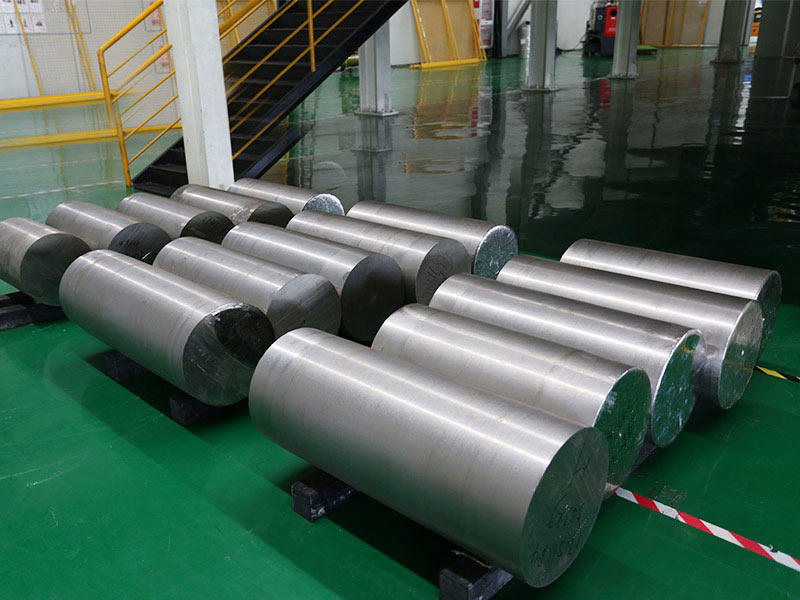
The titanium sponge is broken into smaller pieces and cleaned up before it’s melted down. The melting happens in a process called vacuum arc remelting (VAR), where the sponge is heated in a vacuum to create a solid block of titanium called an ingot. If you need extra purity, this process might be repeated multiple times.
4. Shaping the Titanium
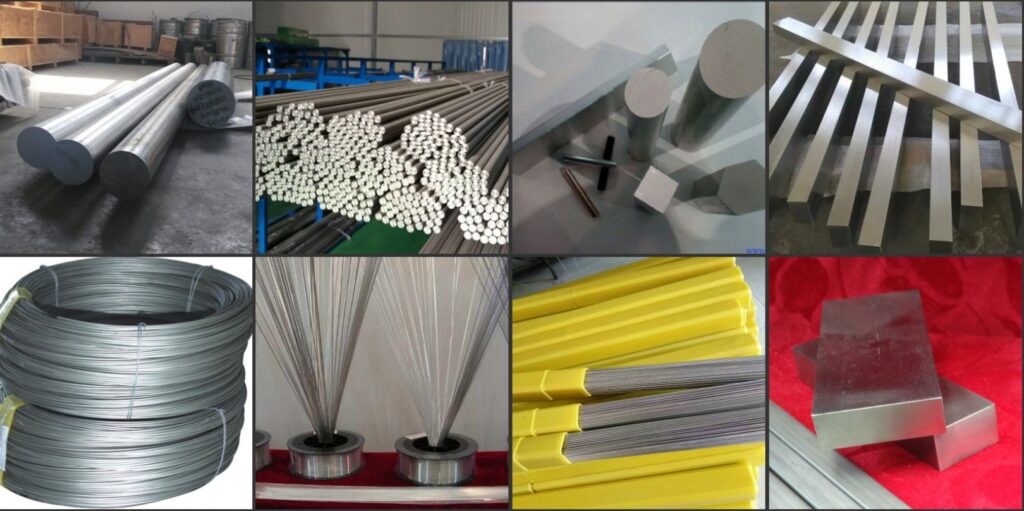
After the titanium is melted into ingots, it’s formed into the shapes needed for different products. This involves rolling, forging, or extruding the metal into sheets, bars, plates, or wires. The metal can be shaped while hot or cold, depending on what properties are needed, such as strength or flexibility.
5. Making Finished Products
Finally, the shaped titanium is turned into finished products. This can involve machining parts for airplane engines, welding to create strong joints, or surface treatments to protect the metal even further from corrosion. At this point, titanium is ready to be used in applications where its high strength, low weight, and resistance to heat and corrosion are critical.
Where Is Titanium Used?
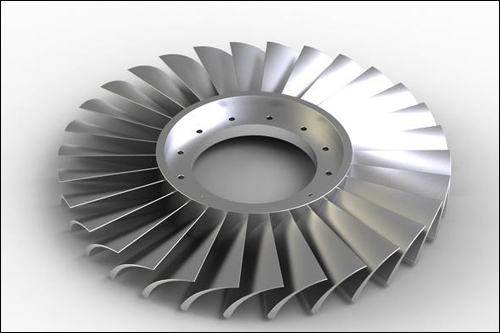
Titanium is highly valued in the aerospace industry for building aircraft and jet engine parts due to its light weight and ability to withstand high temperatures. In the medical field, titanium is commonly used for surgical implants like hip and knee replacements because it is safe for the body. Its corrosion resistance makes it ideal for chemical processing equipment, offshore drilling, and marine engineering.
Conclusion
In summary, turning raw titanium into useful metal involves mining the ore, refining it into titanium sponge, and then melting and shaping it into final products. While the process is complex and energy-intensive, titanium’s unique properties make it essential for high-performance applications in many industries.