

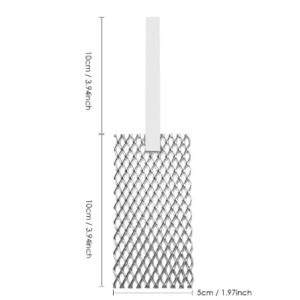
The platinum-coated titanium electrode is a high-performance electrode made from a titanium substrate with a platinum coating. This combination offers exceptional conductivity, corrosion resistance, and mechanical strength, making it ideal for use in various industrial sectors, including water treatment, electroplating, electrolysis
Working Principle
The platinum-coated titanium electrode excels due to the distinct properties of its materials:
1.Titanium Substrate: Titanium provides excellent structural support and corrosion resistance. When exposed to air or water, titanium forms a protective oxide layer (TiO₂), enhancing its durability. However, titanium itself has low conductivity, so a platinum coating is applied to significantly enhance its electrical performance.
2.Platinum Coating: Platinum is a highly inert precious metal known for its excellent electrical conductivity and electrocatalytic activity. By electroplating platinum onto the titanium surface, the electrode becomes highly efficient at conducting electrons and catalyzing electrochemical reactions such as redox processes.
Mechanism of Action:
Conductivity: The titanium substrate offers mechanical support, while the platinum layer ensures excellent conductivity. Platinum allows efficient electron transfer between the electrode and the electrolyte, driving electrochemical reactions.
Electrocatalysis: Platinum acts as a catalyst at the electrode surface, reducing the overpotential required for electrochemical reactions, thus making processes more efficient. For instance, in water electrolysis, the platinum-coated titanium electrode efficiently catalyzes the production of hydrogen and oxygen, enhancing reaction performance.
Stability: Platinum’s chemical stability enables the electrode to withstand high voltages, strong acids, and alkaline environments. Titanium ensures the electrode maintains its structural integrity, allowing long-term operation in harsh conditions.
Applications
1.Electrolytic Production
- Chlor-Alkali Industry: Platinum-coated titanium anodes are widely used in the production of chlorine and hydrogen through the electrolysis of brine. Their corrosion resistance makes them ideal for producing chlorine and sodium hydroxide in chlor-alkali plants.
- Hydrogen Production by Water Electrolysis: In hydrogen production, platinum-coated titanium anodes exhibit efficient catalytic activity, significantly improving reaction efficiency and extending the service life of the equipment.
2.Electroplating Industry
Precious Metal Electroplating: Platinum-coated titanium anodes are commonly used in the electroplating of precious metals (e.g., gold, silver, platinum) due to their high stability and uniform current distribution. This ensures more even plating layers and superior surface quality.
3.Wastewater Treatment
Electrochemical Treatment: Platinum-coated titanium anodes are effective in decomposing organic pollutants such as cyanide and phenolic compounds. In wastewater treatment, they facilitate electrolytic oxidation, breaking down harmful chemical structures to purify water.
4.Batteries and Energy Storage
Fuel Cells: In hydrogen fuel cells, platinum-titanium anodes serve as a crucial component. They promote efficient electrochemical reactions and significantly extend the life of the batteries by stabilizing the process.
5.Electrolytic Copper Foil
High-Purity Copper Foil Production: Platinum-coated titanium anodes are used to produce high-purity copper foil, particularly for circuit boards in electronic devices. The anodes provide stability during the electrolysis process, ensuring the quality of the copper produced.
6.Desalination
Seawater Desalination: In the electrochemical process of seawater desalination, platinum-coated titanium anodes offer high corrosion resistance, making them effective in high-salinity environments. This ensures the long-term operation and high efficiency of desalination systems.
7.Cathodic Protection
Corrosion Protection Systems: Platinum-titanium anodes are also used in cathodic protection systems, helping protect metal pipelines, ship hulls, and marine structures from corrosion. By applying an external current, the anode keeps the metal at a negative potential, preventing oxidation and corrosion.
Key Benefits
- High Conductivity: The platinum coating significantly enhances the electrode’s electrical performance, making it suitable for high-current applications.
- Superior Corrosion Resistance: The combination of titanium and platinum offers exceptional corrosion resistance, especially in acidic and alkaline environments.
- Long-Term Stability: Even in high voltage or extreme environments, platinum-titanium electrodes remain stable, ensuring durability in both industrial and medical applications.
- Versatile Applications: From hydrogen production, electroplating, wastewater treatment, to medical devices, platinum-coated titanium electrodes provide an efficient and reliable solution.
Keywords
- Platinum-coated titanium electrode
- Electrochemical electrode
- Water treatment electrode
- Electrolysis electrode
- Chlor-alkali electrode
- Industrial electroplating electrode
- Cardiac pacemaker electrode
- Hydrogen fuel cell electrode
- Wastewater treatment electrode
Contact Us
For more information about platinum-coated titanium electrodes or to request a customized solution, please contact our sales team. We are committed to providing you with the highest quality products tailored to your specific needs.