
The selection of titanium materials is crucial in modern industry and manufacturing, whether in aerospace, sản xuất ô tô, or electronic products. The performance of titanium metal materials directly affects the quality and reliability of the final product. Today, we will discuss two different grades of titanium materials, Cấp 9 (GR9) và lớp 5 (GR5) to help you make a more reasonable choice when making your choice.
1.Chemical and mechanical properties comparison ingredients:
| Tài sản | Cấp 9 (GR9, Ti-3Al-2.5V) | Cấp 5 (GR5, Ti-6Al-4V) |
| Thành phần hóa học | ||
| Titan (Của) | Approximately 89-91% | Approximately 88-91% |
| Nhôm (Al) | 3% | 6% |
| Vanadi (V.) | 2.5% | 4% |
| Tính chất cơ học | ||
| Sức mạnh năng suất | ≥483 MPa | Approximately 830-880 MPa |
| Độ bền kéo | Approximately 620-760 MPa | Approximately 900-950 MPa |
| Độ giãn dài | Approximately 15-21% | Approximately 10-15% |
| Phần kết luận | GR9 offers good ductility and cold formability with moderate strength. | GR5 provides higher strength and hardness but less ductility. |
(1) Tỉ trọng: The densities of the two materials are similar, about 4.5 g/cm³
(2) Chống ăn mòn: Cấp 9 (Ti-3Al-2.5V) titanium alloy has better corrosion resistance than Grade 5 (Ti-6Al-4V) hợp kim titan, mainly because of its composition and structural characteristics. Cấp 9 contains a lower proportion of vanadium and moderate amounts of aluminum, a combination that helps form a stable protective layer for enhanced corrosion resistance. In comparison, Cấp 5 contains more vanadium, which increases strength but may reduce the material’s resistance to corrosion in certain corrosive environments. Vì thế, Cấp 9 is advantageous in applications where corrosion protection is required.
3. Processability:
Cấp 9: Titanium alloy performs well in the manufacturing of complex-shaped parts due to its good formability and low processing difficulty.
Cấp 5: Although titanium alloy is stronger, it is also more difficult to process and is suitable for high-strength and high-performance applications.
4. Lĩnh vực ứng dụng:
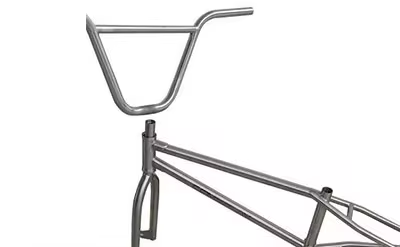
Cấp 9: Commonly used in piping systems (such as hydraulic lines) in the aerospace industry because of its good strength and formability. Frames and handlebars in the high-end bicycle industry because of their light weight, moderate strength, and easy processing. Equipment and structures used in marine and chemical processing environments.
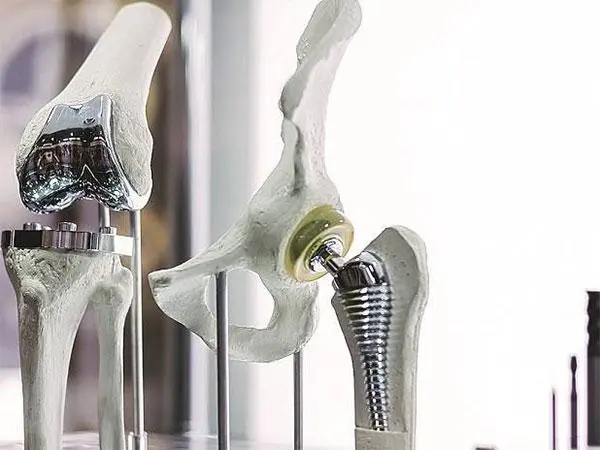
Cấp 5: It is the most widely used titanium alloy and is used in aerospace structural parts (such as engine components, fuselage parts). Thiết bị y tế, such as orthopedic implants and dental implants, for their high strength and biocompatibility. High-performance components in the automotive industry, such as engine valves, connecting rods, vân vân.
5. Trị giá:
Nói chung, GR5 may cost slightly more than GR9 due to its higher strength and wide range of applications. Tuy nhiên, the specific cost depends on production batches, market supply and demand and other factors.
Tóm tắt:
Cấp 9 (Ti-3Al-2.5V) is more suitable for applications requiring good formability, toughness and corrosion resistance, especially where light weight and moderate strength are required.
Cấp 5 (Ti-6Al-4V) is suitable for applications requiring higher strength, such as aerospace and medical applications, although it is more difficult to process.
By understanding the differences between GR9 and GR5, you can choose the appropriate titanium alloy material based on the needs of your specific application. If you have any questions about titanium or stainless steel applications, feel free to contact our team of experts. We will wholeheartedly provide you with professional advice and solutions. Contact us today for a free quote or more information!