
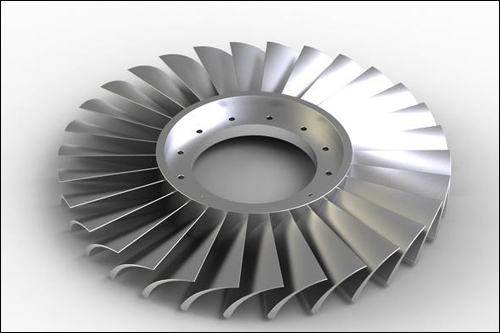
チタンとして知られているのは、 “技術材料” 21世紀の. 現在では航空分野で広く使用されています, 海洋, 化学装置と私たちの日常生活. チタン合金の強度の研究は、材料の性能を最適化するだけではありません, 安全性を向上させるためでもあります, 材料の耐用年数を延ばす, より多くの経済的および技術的利益を得ることができます. 科学技術の発展に伴い, チタン合金の強度の研究は、今後も多くの産業の革新と進歩を促進していきます。. その強さに応じて, チタン合金は3つのカテゴリーに分類できます: 強度が低い, 中強度と高強度. この記事では、チタン合金の種類ごとの特徴と具体的な用途について詳しく紹介します。.
チタン合金とは?
チタン合金とは、他の元素を添加して作られた合金のことを指します。 (アルミニウムなどの, バナジウム, モリブデン, 等) チタンベース. チタン合金は比強度が高く、耐食性に優れています。, さまざまな用途の要件に合わせて組成を調整することで、その特性を変更できます。.
1. チタン合金の強度に影響を与える要因は何ですか?
の チタン合金の強度 化学組成の影響を受ける, 熱処理, および機械的な作業プロセス. チタン合金は一般的に低強度に分類されます。, 中程度の強度, および高強度カテゴリー, それぞれの特性に基づいて異なる目的を果たします.
| タイプ | 学年 | 化学組成 (主要な要素, %) | 抗張力 (MPa) | 降伏強さ (MPa) | 伸長 (%) | 一般的なアプリケーション |
| 低強度チタン合金 | グループ1, 2年生, 3年生 | グループ1: ≧99.5%, N ≤0.03%, C≦0.10% 2年生: 99.2%以上, N ≤0.03% 3年生: 99.0%以上, N≦0.05% | グループ1: ≥240 2年生: ≥345 3年生: ≥450 | グループ1: ≥170 2年生: ≥275 3年生: ≥380 | グループ1: ≥24 2年生: 20以上 3年生: 18歳以上 | 化学装置, 医療用インプラント: 高い耐食性, 化学処理装置や医療機器に最適. |
| 中強度チタン合金 | Ti-6Al-4V (グループ5), Ti-3Al-2.5V | Ti-6Al-4V: の 90%, アル 6%, V 4% Ti-3Al-2.5V: の 94%, アル 3%, V 2.5% | Ti-6Al-4V: ≥895 Ti-3Al-2.5V: ≥620 | Ti-6Al-4V: ≥825 Ti-3Al-2.5V: ≥483 | Ti-6Al-4V: 10以上 Ti-3Al-2.5V: ≥15 | 航空宇宙, 自動車部品: 高い強度重量比, 航空機の構造に使用される, エンジン, および高性能車両部品. |
| 高強度チタン合金 | Ti-10V-2Fe-3Al, Ti-6Al-6V-2Sn | Ti-10V-2Fe-3Al: の 86.7%, V 10%, 鉄 2%, アル 3% Ti-6Al-6V-2Sn: の 86%, アル 6%, V 6%, SN 2% | Ti-10V-2Fe-3Al: ≥1100 Ti-6Al-6V-2Sn: ≥1030 | Ti-10V-2Fe-3Al: ≥1000 Ti-6Al-6V-2Sn: ≥910 | Ti-10V-2Fe-3Al: ≥8 Ti-6Al-6V-2Sn: 10以上 | 軍隊, 航空宇宙: 着陸装置やミサイル部品などの高応力部品に使用, 重工業用途でも. |
| 超高強度チタン合金 | Ti-13V-11Cr-3Al | の 84%, V 13%, Cr 11%, アル 3% | ≥1200 | ≥1100 | 7以上 | 航空宇宙, レーシングコンポーネント: 高ストレス環境向けに設計, 宇宙船やレーシングアプリケーションなど. |
| 特別な用途 | Ti-5Al-2.5Sn, Ti-15Mo-3Al-3Nb | Ti-5Al-2.5Sn: の 92%, アル 5%, SN 2.5% Ti-15Mo-3Al-3Nb: の 78%, モー 15%, アル 3%, 注意 3% | Ti-5Al-2.5Sn: ≥825 Ti-15Mo-3Al-3Nb: ≥750 | Ti-5Al-2.5Sn: ≥795 Ti-15Mo-3Al-3Nb: ≥680 | Ti-5Al-2.5Sn: ≥12 Ti-15Mo-3Al-3Nb: 10以上 | 高温, 海洋用途: 高温のエンジン部品や耐食性の高い海洋用途に最適. |
2、チタン合金の強度がなぜ重要なのか?
チタン合金の強度は、さまざまな用途への適合性を決定する上で重要な役割を果たします。. 重要な構造コンポーネントには高強度合金が選択されています, 一方、強度の低い合金は、耐食性と延性が必要な非耐荷重用途に適しています。.
結論: チタン合金の可能性を最大限に引き出す
理解する チタン合金の強度 エンジニアや製造業者が特定のニーズに合わせて適切な材料を選択できるようになります. 航空宇宙用であっても, 自動車, または医療用途, 適切なチタン合金を選択することで、製品が確実に性能を満たせるようにする, 耐久性, および安全要件.
チタン合金の場合, 強さのバランスを取る, 重さ, 抵抗特性は業界全体のパフォーマンス向上につながります. 適切な強度カテゴリを選択すると、特定の用途ごとに最適な結果が得られます。.