
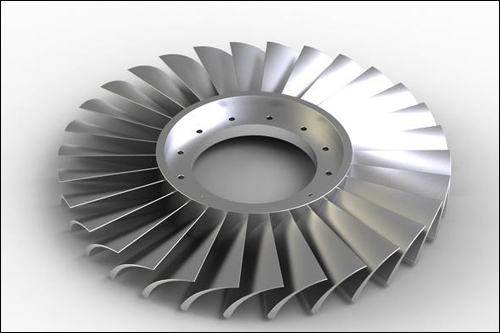
Titanyum olarak bilinir “teknolojik malzeme” 21. yüzyılın. Şu anda havacılıkta yaygın olarak kullanılmaktadır., deniz, kimyasal ekipmanlar ve günlük yaşamımız. Titanyum alaşımlarının mukavemetinin incelenmesi sadece malzemenin performansını optimize etmek değildir., ama aynı zamanda güvenliği artırmak için, malzemenin servis ömrünü uzatmak, ve daha fazla ekonomik ve teknik fayda elde edin. Bilim ve teknolojinin gelişmesiyle birlikte, Titanyum alaşımlarının mukavemetine ilişkin çalışmalar birçok endüstride yenilik ve ilerlemeyi teşvik etmeye devam edecektir.. Gücüne göre, titanyum alaşımları üç kategoriye ayrılabilir: düşük güç, orta mukavemet ve yüksek mukavemet. Bu makale, her tip titanyum alaşımının özelliklerini ve özel uygulamasını ayrıntılı olarak tanıtacaktır..
Titanyum alaşımı nedir?
Titanyum alaşımı, diğer elementlerin eklenmesiyle oluşturulan bir alaşımı ifade eder. (alüminyum gibi, vanadyum, molibden, vesaire.) titanyum bazlı. Titanyum alaşımları yüksek özgül dayanıma ve iyi korozyon direncine sahiptir, ve bunların özellikleri, bileşimin farklı uygulama gereksinimlerine uyum sağlayacak şekilde ayarlanmasıyla değiştirilebilir.
1. Titanyum alaşımlarının mukavemetini etkileyen faktörler nelerdir??
The titanyum alaşımlarının mukavemeti kimyasal bileşimlerinden etkilenir, ısıl işlem, ve mekanik çalışma süreçleri. Titanyum alaşımları genellikle düşük dayanımlı olarak sınıflandırılır., orta güçte, ve yüksek güç kategorileri, her biri özelliklerine göre farklı amaçlara hizmet ediyor.
| Tip | Seviye | Kimyasal Bileşim (Ana Unsurlar, %) | Çekme Dayanımı (MPa) | Akma Dayanımı (MPa) | Uzama (%) | Ortak Uygulamalar |
| Düşük Mukavemetli Titanyum Alaşımları | Gr1, Gr2, Gr3 | Gr1: ≥99,5%, N ≤%0,03, C≤%0,10 Gr2: ≥99,2%, N ≤%0,03 Gr3: ≥99,0%, N ≤%0,05 | Gr1: ≥240 Gr2: ≥345 Gr3: ≥450 | Gr1: ≥170 Gr2: ≥275 Gr3: ≥380 | Gr1: ≥24 Gr2: ≥20 Gr3: ≥18 | Kimyasal ekipman, tıbbi implantlar: Yüksek korozyon direnci, kimyasal işleme ekipmanları ve tıbbi cihazlar için uygundur. |
| Orta Mukavemetli Titanyum Alaşımları | Ti-6Al-4V (Gr5), Ti-3Al-2.5V | Ti-6Al-4V: İle ilgili 90%, Al 6%, V 4% Ti-3Al-2.5V: İle ilgili 94%, Al 3%, V 2.5% | Ti-6Al-4V: ≥895 Ti-3Al-2.5V: ≥620 | Ti-6Al-4V: ≥825 Ti-3Al-2.5V: ≥483 | Ti-6Al-4V: ≥10 Ti-3Al-2.5V: ≥15 | Havacılık, otomotiv parçaları: Yüksek mukavemet/ağırlık oranı, uçak yapılarında kullanılır, motorlar, ve performans araç parçaları. |
| Yüksek Mukavemetli Titanyum Alaşımları | Ti-10V-2Fe-3Al, Ti-6Al-6V-2Sn | Ti-10V-2Fe-3Al: İle ilgili 86.7%, V 10%, Fe 2%, Al 3% Ti-6Al-6V-2Sn: İle ilgili 86%, Al 6%, V 6%, sn 2% | Ti-10V-2Fe-3Al: ≥1100 Ti-6Al-6V-2Sn: ≥1030 | Ti-10V-2Fe-3Al: ≥1000 Ti-6Al-6V-2Sn: ≥910 | Ti-10V-2Fe-3Al: ≥8 Ti-6Al-6V-2Sn: ≥10 | Askeri, havacılık: İniş takımı ve füze parçaları gibi yüksek gerilimli bileşenler için kullanılır, ve ağır endüstriyel uygulamalarda. |
| Ultra Yüksek Mukavemetli Titanyum Alaşımları | Ti-13V-11Cr-3Al | İle ilgili 84%, V 13%, CR 11%, Al 3% | ≥1200 | ≥1100 | ≥7 | Havacılık, yarış bileşenleri: Yüksek stresli ortamlar için tasarlandı, uzay aracı ve yarış uygulamaları gibi. |
| Özel Uygulamalar | Ti-5Al-2.5Sn, Ti-15Mo-3Al-3Nb | Ti-5Al-2.5Sn: İle ilgili 92%, Al 5%, sn 2.5% Ti-15Mo-3Al-3Nb: İle ilgili 78%, Ay 15%, Al 3%, Not 3% | Ti-5Al-2.5Sn: ≥825 Ti-15Mo-3Al-3Nb: ≥750 | Ti-5Al-2.5Sn: ≥795 Ti-15Mo-3Al-3Nb: ≥680 | Ti-5Al-2.5Sn: ≥12 Ti-15Mo-3Al-3Nb: ≥10 | Yüksek sıcaklık, denizcilik uygulamaları: Yüksek sıcaklıktaki motor parçaları ve korozyona dayanıklı denizcilik uygulamaları için uygundur. |
2、Titanyum Alaşımlarının Mukavemeti Neden Önemlidir??
Titanyum alaşımlarının mukavemeti, farklı uygulamalara uygunluklarının belirlenmesinde çok önemli bir rol oynar.. Kritik yapısal bileşenler için daha yüksek mukavemetli alaşımlar seçilir, düşük mukavemetli alaşımlar ise korozyon direnci ve süneklik gerektiren yük taşımayan uygulamalar için daha uygundur.
Çözüm: Titanyum Alaşımlarının Potansiyelini Maksimuma Çıkarma
Anlamak titanyum alaşımlarının mukavemeti mühendislerin ve üreticilerin özel ihtiyaçları için doğru malzemeyi seçmelerine olanak tanır. İster havacılık için olsun, otomotiv, veya tıbbi uygulamalar, Uygun titanyum alaşımının seçilmesi, ürünlerin performansı karşılamasını sağlar, dayanıklılık, ve güvenlik gereksinimleri.
Titanyum alaşımları ile, dengeleme gücü, ağırlık, ve direnç özellikleri endüstriler arasında performansın artmasına yol açar. Doğru güç kategorisini seçmek, her özel uygulama için en iyi sonuçları sağlar.