
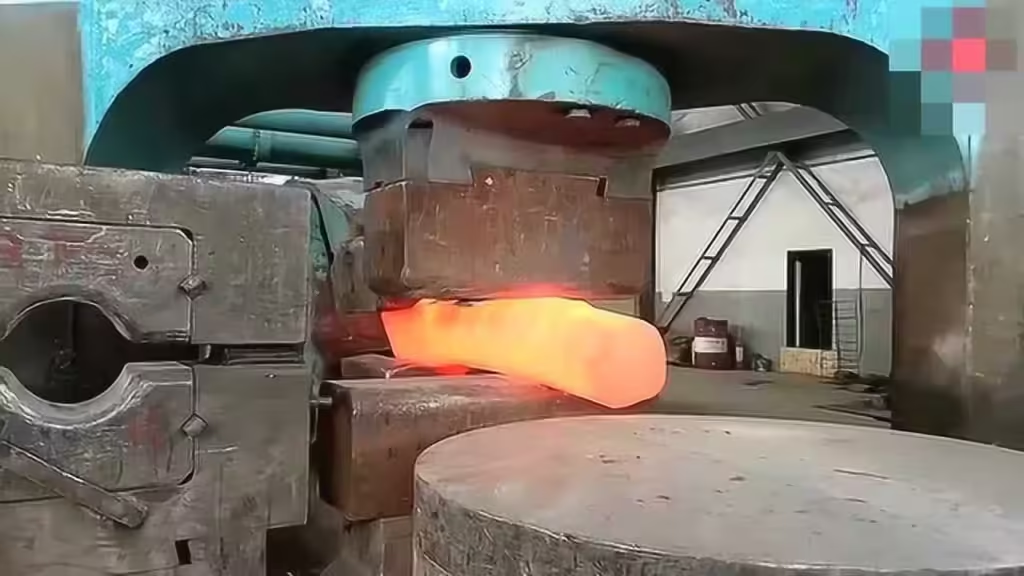
Titanyum metal dövme dövme makineleri aracılığıyla titanyum metaline dış kuvvet uygulanmasını ifade eder (çekiç dövmek gibi, dövme presleri, vesaire.) plastik halde şekil ve yapısal değişikliklere neden olmak, ve sonuçta gerekli şekle sahip parçalar oluşturun, boyut ve fiziksel özellikler. Bileşenlerin işleme süreci. Titanyum metal dövmenin ana nedenleri nelerdir??
1. Mekanik özellikleri iyileştirin
2. İç kaliteyi artırın ve kaliteyi artırın
3. Dövme, titanyum metalinin mukavemetini her yönde aynı hale getirebilir, daha güçlü ve daha güvenilir hale getiriyoruz.
4. Korozyon direncini artırın
5. Karmaşık şekilleri özelleştirin
6. Seri üretimde maliyetler azaltılabilir
7. Yüksek sıcaklık ve aşırı ortam uygulamalarının ihtiyaçlarını karşılayın
8. Kesme ve diğer işlemlerle karşılaştırıldığında, dövme malzemeleri daha büyük ölçüde kullanabilir ve kullanım oranını artırabilir.
1. Titanyum metal dövme proses akışı
(1) Hammadde hazırlama: Uygun titanyum metal hammaddelerinin seçilmesi (titanyum külçeler veya titanyum çubuklar gibi) dövme gerekliliklerini karşıladığından emin olmak için genellikle kimyasal bileşim analizi ve fiziksel özellik testi gerektirir.
(2) Isıtma: Titanyum metalinin uygun sıcaklığa ısıtılması (genellikle 800°C ile 950°C arasındadır) plastisitesini arttırmak ve deformasyon direncini azaltmak için. Titanyum metali yüksek sıcaklıklarda oksidasyona yatkın olduğundan ısıtma sıcaklığı sıkı bir şekilde kontrol edilmelidir..
(3) Dövme: Isıtılmış titanyum metaline bir dövme çekici veya dövme presi aracılığıyla basınç uygulayarak deforme edin ve istenen şekli elde edin.. Yaygın olarak kullanılan dövme yöntemleri arasında açık kalıpta dövme ve kapalı kalıpta dövme bulunur..
(4) Soğutma: Dövme işlemi tamamlandıktan sonra, Termal stresin neden olduğu deformasyon ve çatlakları önlemek için uygun soğutma gereklidir. Metalin iç yapısının stabil olmasını sağlamak için soğutma hızı genellikle yavaştır..
(5) İşlem sonrası: Yüzey işleme, ısıl işlem (tavlama gibi) ve mekanik işleme (dönmek gibi, bileme, vesaire.) boyutu elde etmek için gerektiği gibi gerçekleştirilir, son parçanın şekil ve yüzey kalitesi gereksinimleri.
1. Açık Kalıpta Dövme
·Özellikler: Açık kalıp dövme, serbest dövme olarak da adlandırılır, Titanyum alaşımlı dövmede en sık kullanılan yöntemdir. Titanyum alaşımlı işlenmemiş parçaya üst ve alt çekiç kafaları arasında deforme olacak şekilde basınç uygulanarak istenilen şekil üretilir.. Bu yöntem işlenmemiş parçanın akışını kısıtlamaz ve bu nedenle büyük boyutlu ve karmaşık şekilli parçaların üretilmesine olanak sağlar.
·Avantajlar: Büyük boy üretim yapabilme, Yüksek malzeme kullanımına sahip karmaşık şekilli titanyum alaşımlı parçalar.
·Başvuru: Havacılıkta yaygın olarak kullanılır, gemi yapımı, Titanyum alaşımlı diskler ve miller gibi büyük parçalar üretmek için enerji üretim ekipmanları ve diğer alanlar.
2. Kapalı Kalıpta Dövme
·Özellikler: Kapalı kalıpta dövmeye aynı zamanda hassas dövme de denir.. Titanyum alaşımlı iş parçası kalıbın iki yarısı arasına bastırılır. Kalıbın şekli bitmiş ürünün şeklini belirler, çok kesin, karmaşık parçalar üretilebilir.
·Avantajlar: yüksek hassasiyet, iyi yüzey kalitesi, ve açık kalıpta dövmeye göre daha yüksek malzeme kullanımı. İyi tutarlılığa sahip parçalar büyük miktarlarda üretilebilir.
·Başvuru: Küçük ve orta boy parçaların üretimine uygundur, türbin kanatları gibi, uçak motor parçaları, vesaire.
3. İzotermal Dövme
·Özellikler: Dövme işlemi sırasında, kalıp ve titanyum alaşımı iş parçası dövme için aynı yüksek sıcaklıkta tutulur, malzemenin akış direncini azaltarak dövme işlemi sırasında oluşabilecek stres ve kusurları azaltır.
·Avantajlar: Yüksek hassasiyette üretim yapabilme, yüksek kaliteli titanyum alaşımlı parçalar, eşit duvar kalınlığına ve karmaşık şekillere sahip parçalar üretmek için uygundur.
·Başvuru: Havacılık ve uzay alanındaki önemli yapısal parçaların üretiminde yaygın olarak kullanılır, motor bıçakları gibi, türbin diskleri, vesaire.
4. Süperplastik Şekillendirme
·Özellikler: Süperplastik şekillendirme, titanyum alaşımının yüksek sıcaklıklarda süperplastik deformasyon özelliklerinden yararlanarak titanyum alaşımlı malzemelerin kalıp içinde yavaş akmasını ve düşük gerinim oranlarıyla karmaşık şekiller oluşturmasını sağlar..
·Avantajlar: Çok karmaşık şekiller üretilebilir, Kaynak ihtiyacını azaltır ve parçanın genel gücünü artırır.
·Başvuru: Esas olarak karmaşık havacılık yapısal parçalarının üretiminde kullanılır, kanat derileri gibi, kaplamalar, vesaire.
5. Döner Dövme
·Özellikler: Döner dövme, işlenmemiş parçanın kalıpta döndüğü ve kademeli olarak sıkıştırılarak şekil verildiği özel bir kapalı kalıp dövme işlemidir.. Bu yöntem metal akış yönünün ve hızının hassas kontrolüne olanak tanır.
·Avantajlar: Yüksek mukavemetli üretebilme, yüksek hassasiyetli titanyum alaşımlı parçalar, daha ince halka şeklindeki ve fincan şeklindeki parçalar için uygundur.
·Uygulamalar: Havacılık ve otomotiv alanlarında yüksek mukavemetli hassas parçaların üretiminde yaygın olarak kullanılır.
6. Hassas Dövme
·Özellikler: Hassas dövme, kapalı kalıpta dövme esas alınarak geliştirilmiştir.. Dövmeleri şekil ve boyut olarak nihai ürün gereksinimlerine yakın hale getirmek için yüksek hassasiyetli kalıplar ve proses parametreleri kullanır., sonraki işleme miktarının azaltılması.
·Avantajlar: İyileştirilmiş malzeme kullanımı, azaltılmış üretim maliyetleri, ve parçaların mekanik özelliklerinin iyileştirilmesi.
·Başvuru: Havacılık ve uzay gibi yüksek hassasiyet gerektiren alanlarda yaygın olarak kullanılır, tıbbi ekipman, ve otomobiller.
7. Toz Metalurjisi Dövme
·Özellikler: Titanyum alaşım tozu preslenerek şekillendirilir ve ardından yüksek sıcaklıkta sinterleme ve dövme işlemine tabi tutulur, geleneksel yöntemlerle üretilmesi zor olan şekil ve yapıları üretebilen.
·Avantajlar: Bileşim ve mikro yapı, belirli özelliklere sahip malzemeler üretmek için hassas bir şekilde kontrol edilebilir.
·Başvuru: Esas olarak yüksek performans için kullanılır, özel amaçlı titanyum alaşımlı parçalar, belirli havacılık ve tıp alanlarındaki karmaşık parçalar gibi.
Her dövme yönteminin uygulanabilir durumları ve avantajları vardır. Uygun bir dövme işleminin seçilmesi, titanyum alaşımlı malzemelerin özellikleri gibi hususların dikkate alınmasını gerektirir., ürün tasarımı gereksinimleri, üretim maliyeti, vesaire.

