
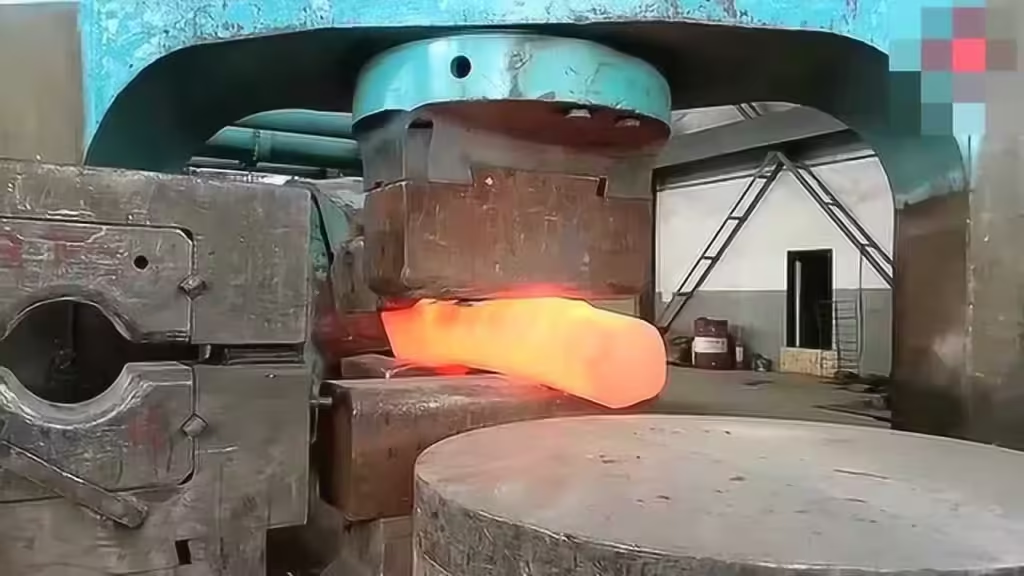
Rèn kim loại titan đề cập đến việc áp dụng ngoại lực vào kim loại titan thông qua máy rèn (chẳng hạn như búa rèn, máy ép rèn, vân vân.) gây ra sự thay đổi hình dạng và cấu trúc ở trạng thái dẻo, và cuối cùng tạo thành các bộ phận có hình dạng yêu cầu, kích thước và tính chất vật lý. Quá trình gia công linh kiện. Những lý do chính để rèn kim loại titan là gì?
1. Cải thiện tính chất cơ học
2. Nâng cao chất lượng nội bộ và nâng cao chất lượng
3. Việc rèn có thể làm cho độ bền của kim loại titan giống nhau theo mọi hướng, làm cho nó mạnh mẽ hơn và đáng tin cậy hơn.
4. Cải thiện khả năng chống ăn mòn
5. Tùy chỉnh hình dạng phức tạp
6. Chi phí có thể giảm khi sản xuất hàng loạt
7. Đáp ứng nhu cầu ứng dụng nhiệt độ cao và môi trường khắc nghiệt
8. So với việc cắt và xử lý khác, rèn có thể sử dụng vật liệu ở mức độ lớn hơn và cải thiện tỷ lệ sử dụng.
1. Quy trình rèn kim loại titan
(1) Chuẩn bị nguyên liệu: Lựa chọn nguyên liệu kim loại titan phù hợp (chẳng hạn như thỏi titan hoặc thanh titan) thường yêu cầu phân tích thành phần hóa học và kiểm tra tính chất vật lý để đảm bảo rằng nó đáp ứng các yêu cầu rèn.
(2) sưởi ấm: Nung nóng kim loại titan đến nhiệt độ thích hợp (thường từ 800°C đến 950°C) để cải thiện độ dẻo của nó và giảm khả năng chống biến dạng. Nhiệt độ gia nhiệt phải được kiểm soát chặt chẽ vì kim loại titan dễ bị oxy hóa ở nhiệt độ cao.
(3) rèn: Tạo áp lực lên kim loại titan đã được nung nóng thông qua búa rèn hoặc máy ép rèn để làm biến dạng nó và thu được hình dạng mong muốn. Các phương pháp rèn thường được sử dụng bao gồm rèn khuôn mở và rèn khuôn kín.
(4) làm mát: Sau khi rèn xong, cần làm mát thích hợp để tránh biến dạng và nứt do ứng suất nhiệt. Tốc độ làm nguội thường chậm để đảm bảo cấu trúc bên trong của kim loại ổn định.
(5) Xử lý hậu kỳ: Xử lý bề mặt, xử lý nhiệt (chẳng hạn như ủ) và gia công cơ khí (chẳng hạn như quay, mài, vân vân.) được thực hiện khi cần thiết để đạt được kích thước, yêu cầu về hình dạng và chất lượng bề mặt của phần cuối cùng.
1. Rèn khuôn mở
·Đặc trưng: Rèn khuôn mở, còn gọi là rèn tự do, là phương pháp được sử dụng phổ biến nhất trong rèn hợp kim titan. Hình dạng mong muốn được tạo ra bằng cách tạo áp lực lên phôi hợp kim titan để nó biến dạng giữa đầu búa trên và dưới. Phương pháp này không hạn chế dòng phôi và do đó cho phép sản xuất các bộ phận có kích thước lớn và hình dạng phức tạp.
·Thuận lợi: Khả năng sản xuất cỡ lớn, các bộ phận hợp kim titan có hình dạng phức tạp với khả năng sử dụng vật liệu cao.
·Ứng dụng: Được sử dụng rộng rãi trong hàng không vũ trụ, đóng tàu, thiết bị phát điện và các lĩnh vực khác để sản xuất các bộ phận lớn như đĩa và trục hợp kim titan.
2. Rèn khuôn kín
·Đặc trưng: Rèn khuôn kín còn được gọi là rèn chính xác. Phôi hợp kim titan được ép vào giữa hai nửa khuôn. Hình dạng của khuôn quyết định hình dạng của thành phẩm, rất chính xác, các bộ phận phức tạp có thể được sản xuất.
·Thuận lợi: độ chính xác cao, chất lượng bề mặt tốt, và sử dụng vật liệu cao hơn so với rèn khuôn hở. Các bộ phận có tính nhất quán tốt có thể được sản xuất với số lượng lớn.
·Ứng dụng: Thích hợp cho việc sản xuất các bộ phận vừa và nhỏ, chẳng hạn như cánh tuabin, bộ phận động cơ máy bay, vân vân.
3. Rèn đẳng nhiệt
·Đặc trưng: Trong quá trình rèn, khuôn và phôi hợp kim titan được giữ ở cùng nhiệt độ cao để rèn, làm giảm lực cản dòng chảy của vật liệu và giảm ứng suất và khuyết tật có thể xảy ra trong quá trình rèn.
·Thuận lợi: Có khả năng sản xuất có độ chính xác cao, bộ phận hợp kim titan chất lượng cao, thích hợp để sản xuất các bộ phận có độ dày thành đồng đều và hình dạng phức tạp.
·Ứng dụng: Được sử dụng rộng rãi trong sản xuất các bộ phận kết cấu quan trọng trong lĩnh vực hàng không vũ trụ, chẳng hạn như lưỡi động cơ, đĩa tuabin, vân vân.
4. Tạo hình siêu dẻo
·Đặc trưng: Tạo hình siêu dẻo tận dụng các đặc tính biến dạng siêu dẻo của hợp kim titan ở nhiệt độ cao để cho phép vật liệu hợp kim titan chảy chậm trong khuôn để tạo thành các hình dạng phức tạp thông qua tốc độ biến dạng thấp.
·Thuận lợi: Có thể sản xuất được những hình dạng rất phức tạp, giảm nhu cầu hàn và cải thiện sức mạnh tổng thể của bộ phận.
·Ứng dụng: Chủ yếu được sử dụng để sản xuất các bộ phận kết cấu hàng không vũ trụ phức tạp, chẳng hạn như da cánh, bộ phận tạo hình, vân vân.
5. Rèn quay
·Đặc trưng: Rèn quay là một quá trình rèn khuôn kín đặc biệt, trong đó phôi quay trong khuôn và dần dần được nén thành hình dạng. Phương pháp này cho phép kiểm soát chính xác hướng và tốc độ dòng chảy kim loại.
·Thuận lợi: Có khả năng tạo ra cường độ cao, bộ phận hợp kim titan có độ chính xác cao, thích hợp cho các bộ phận hình vòng và hình cốc mỏng hơn.
·Ứng dụng: Thường được sử dụng trong sản xuất các bộ phận có độ chính xác cao trong lĩnh vực hàng không vũ trụ và ô tô.
6. Rèn chính xác
·Đặc trưng: Rèn chính xác được phát triển trên cơ sở rèn khuôn khép kín. Nó sử dụng các khuôn có độ chính xác cao và các thông số quy trình để làm cho vật rèn gần với yêu cầu của sản phẩm cuối cùng về hình dạng và kích thước, giảm số lượng gia công tiếp theo.
·Thuận lợi: Cải thiện việc sử dụng vật liệu, giảm chi phí sản xuất, và cải thiện tính chất cơ học của các bộ phận.
·Ứng dụng: Được sử dụng rộng rãi trong các lĩnh vực có yêu cầu độ chính xác cao như hàng không vũ trụ, thiết bị y tế, và ô tô.
7. Luyện kim bột rèn
·Đặc trưng: Bột hợp kim titan được ép thành hình, sau đó được nung và rèn ở nhiệt độ cao, có thể tạo ra các hình dạng và cấu trúc khó sản xuất bằng các phương pháp truyền thống.
·Thuận lợi: Thành phần và cấu trúc vi mô có thể được kiểm soát chính xác để tạo ra vật liệu có đặc tính cụ thể.
·Ứng dụng: Chủ yếu được sử dụng cho hiệu suất cao, bộ phận hợp kim titan chuyên dụng, chẳng hạn như các bộ phận phức tạp trong một số lĩnh vực hàng không vũ trụ và y tế.
Mỗi phương pháp rèn đều có những dịp và ưu điểm áp dụng riêng. Việc lựa chọn quy trình rèn phù hợp đòi hỏi phải cân nhắc như đặc tính của vật liệu hợp kim titan, yêu cầu thiết kế sản phẩm, chi phí sản xuất, vân vân.

