
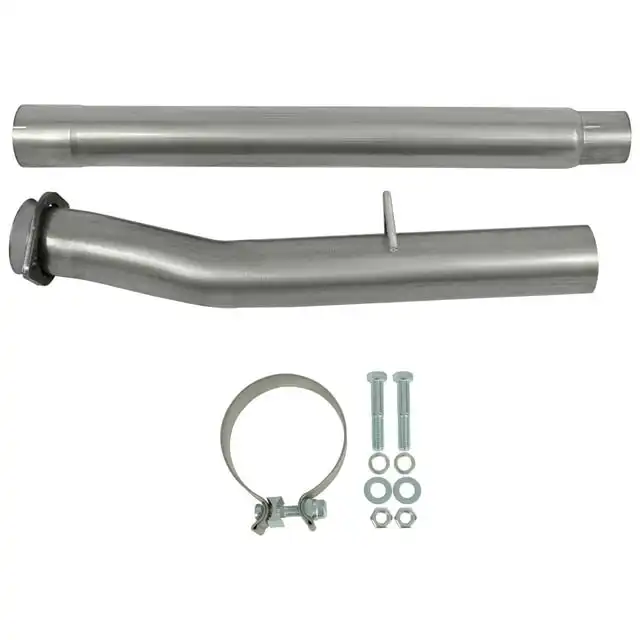
Understanding the Importance of Exhaust Pipe Materials for Your Vehicle
The exhaust pipe is a crucial component of a vehicle’s exhaust system, responsible for directing and dissipating the exhaust gases produced by the engine. It also plays a key role in reducing noise and minimizing harmful emissions. The choice of material for the exhaust pipe directly impacts vehicle performance, durability, and environmental compliance.
Common Materials Used for Exhaust Pipes:
| Material | Characteristics | Applications |
| Stainless Steel | Corrosion-resistant, high temperature tolerance, strong. | Widely used across various vehicle types. |
| Titanium | Lightweight, corrosion-resistant, high strength. | High-performance vehicles and aftermarket modifications. |
| Galvanized Steel | Cost-effective, decent corrosion resistance. | Economic vehicles. |
| Carbon Fiber | Lightweight, high strength, unique appearance. | High-end modifications or racing applications. |
Material Analysis:
1、Stainless Steel:
Characteristics: Stainless steel is renowned for its excellent corrosion resistance and high-temperature endurance. It can withstand the harsh conditions of engine exhaust gases while maintaining structural stability.
Applications: Due to its durability and cost-effectiveness, stainless steel is commonly used in various vehicle types, from everyday cars to performance models.
2、Titanium:
Characteristics: Titanium offers a unique combination of lightweight construction and exceptional corrosion resistance. It is ideal for high-performance applications due to its ability to endure extreme temperatures without compromising strength.
Applications: Titanium exhaust pipes are highly favored in high-performance and custom-built vehicles, where reducing weight and enhancing durability are critical. The distinct metallic sheen also adds to the aesthetic appeal of the vehicle.
3、Galvanized Steel:
Characteristics: Galvanized steel provides a cost-effective solution with adequate corrosion resistance due to its zinc coating. However, it does not match the durability of stainless steel or titanium.
Applications: This material is commonly used in budget-friendly or economy vehicles where cost is a significant factor. It may require more frequent maintenance to prevent rusting over time.
4、Carbon Fiber
Characteristics: Carbon fiber is known for its remarkable lightweight properties and high strength. It also offers a distinctive look that stands out from other materials.
Applications: Carbon fiber is predominantly used in high-end modifications and racing environments where both performance and aesthetics are prioritized. Although it provides exceptional benefits, it comes at a higher cost and requires careful maintenance.
Choosing the Right Exhaust Pipe Material:
Selecting the appropriate exhaust pipe material is essential for optimizing vehicle performance, enhancing durability, and meeting specific aesthetic and environmental requirements. When making a decision, consider factors such as:
- Budget: Different materials come with varying price points, influencing the overall cost of your vehicle’s exhaust system.
- Vehicle Type: Performance and high-end vehicles may benefit more from premium materials like titanium or carbon fiber, while standard vehicles may find stainless steel or galvanized steel sufficient.
- Usage Needs: Assess how often you drive, the conditions you drive in, and whether you require specialized performance features.
By understanding the advantages and applications of each material, you can make an informed decision that aligns with your vehicle’s requirements and your personal preferences. Whether aiming for enhanced performance, durability, or aesthetic appeal, the right exhaust pipe material can significantly impact your driving experience.